

Management typically retained earnings uses this journal to track the status of each purchase, the amount owed to vendors, the due dates of each balance, along with the discount periods. The accounting department uses this journal to crosscheck and tie out the accounts payable subsidiary accounts at the end of each period. Following the recording of transactions, the next step involves posting the relevant entries from the Purchases Journal to the General Ledger, ensuring the comprehensive integration of financial data for accurate ledger management. Therefore, the meticulous recording and analysis of purchase amounts within Purchases Journal entries is fundamental for effective financial management and decision-making. The accuracy of transactional recording and diligent interaction with vendors play a pivotal role in maintaining financial transparency and managing the liabilities effectively. This special journal is prepared for reducing the large of transactions in the general journals.

Helping Learn Accounting – Financial & Managerial
- The purchases journal, sometimes referred to as the purchase day book, is a special journal used to record credit purchases.
- As the business maintains control accounts in the general ledger, the accounts payable ledger itself is not part of the double entry bookkeeping, it is simply a record of the amounts owed to each supplier.
- Typically, cash purchases are not recorded in the Purchase Journal; they are instead recorded in the Cash Payments Journal.
- It is worth mentioning that only the credit purchase of goods is recorded in such journals, and any capital expenditure is excluded.
- A general journal tracks transactions that do not fall into one of the four categories.
A purchases journal is specialized for recording credit purchases, whereas a general journal can record various types of financial transactions, including both debit and credit transactions. The primary purpose of a purchases journal is to record all credit purchases of goods. It helps businesses keep accurate and detailed records of Car Dealership Accounting their liabilities, which aids in financial reporting and auditing.
- Usually, this organized recordkeeping helps companies maintain complete and reliable records, which are crucial for financial reporting purposes.
- Purchases accounts or inventory accounts in case of perpetual inventory system are debited with total of purchases journal usually at the end of each month.
- Accurate item descriptions play a crucial role in financial recording, allowing for the precise allocation of costs and expenses in the accounting system.
- By documenting details such as the date of purchase, supplier information, and the cost of goods acquired on credit, it provides a clear overview of the company’s purchasing activities.
- You may balance accounting journals weekly, biweekly, or monthly, depending on your business needs.
- It is unnecessary to record the credit side of the transaction involving purchases made on account.
What is the Difference Between Purchasing and Procurement?

The correspondence accounts that should be recorded included accounts payable, inventories, expenses, and other related accounts. The information from the Purchase Journal is eventually posted to the General Ledger accounts, particularly the Accounts Payable and Inventory accounts, contributing to the financial statements at the end of an accounting period. The above columns represent the crucial info companies must record for every credit purchase transaction. Journals used to record specific types of transactions such as sales, cash receipts, and purchases. The purchasing department may operate a freestanding purchasing software package, though the system is more effective if integrated into the software of the receiving and accounts payable functions.
Fundamentals of Purchase Journal: Accounting Basics Quiz
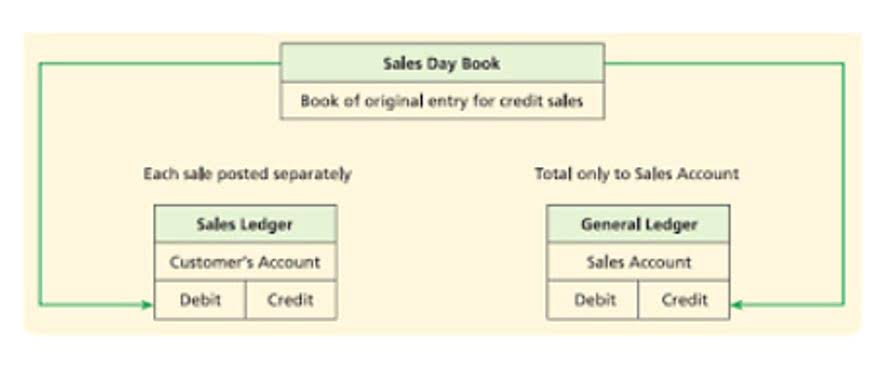
The general ledger is a complete record of all the financial transactions of a business, categorized by account. Entries in the purchases journal are periodically summarized and posted to the Accounts Payable and Inventory accounts in the general ledger. Most organizations have a separate purchase department responsible for the procurement of goods. So, when any person or department needs any goods, they have to send a request to the Purchase department; if the goods are already available in the stock or warehouse, the purchasing department will issue the goods. If the goods are not available, the purchasing team will identify the supplier who specializes in needed goods, and they will place the order.
- It is a central record for all purchase transactions, capturing critical details such as supplier information, purchase dates, and costs.
- Sometimes, the entity also includes other information related to purchasing like fixed assets, inventories, or expenses.
- Purchase journals also help in Creditors management, tracking returned goods status, credit notes, and updated ledger balances of Suppliers, all of which are required for a business to be successful and up to date.
- For example, X Ltd. returned goods worth $1,000, and Y Ltd. issued a credit note for that value.
- Whether in a manual or electronic accounting system, a well-maintained purchase journal is essential for accurate and compliant recording of purchase transactions.
- Chartered accountant Michael Brown is the founder and CEO of Double Entry Bookkeeping.
- These cash purchases play a crucial role in managing the inventory levels of the business, as they directly affect the quantity and quality of goods available for sale.
This includes purchases of inventory, supplies, equipment, and other assets necessary for the operation of the business. Therefore, the significance of item descriptions within Purchases Journal entries extends beyond simple documentation, to encompass vital functions in inventory management and financial accounting. This meticulous record-keeping is fundamental in providing a clear and detailed insight into the company’s financial obligations, aiding in effective budgeting and financial decision-making.
Purchases Journal: A Comprehensive Overview

Managing these invoices becomes crucial to avoid discrepancies and ensure proper documentation. It impacts the Accounts Payable as it reflects the outstanding balance owed to the vendors. Recordings of these transactions should be following the debit and credit roles. For example, credit purchases should be an increase in credit as it is the liabilities. If those purchases are for inventories, then inventories accounts should be debited. If there is a small number of transactions of credit purchases, then the entity might record the purchase journal together with other transactions.
- By accurately recording these transactions, the Purchases Journal serves as a reliable source for updating the general ledger and tracking the flow of goods and related expenses.
- They also influence the expense allocation process, as the immediate cash outflow impacts the financial statements.
- Master the fundamentals of financial accounting with our Accounting for Financial Analysts Course.
- This special journal is prepared for reducing the large of transactions in the general journals.
- By documenting all purchases on credit, the journal facilitates the tracking of accounts payable and provides a comprehensive overview of the company’s financial liabilities.
All types of purchases made on credit are recorded in the purchases journal, including office supplies, services, and goods acquired for resale. A credit to relevant supplier’s account in payables ledger accompanies each purchase entry in purchase journal. Purchases accounts or inventory accounts in case of perpetual inventory system are debited with total purchases journal definition of purchases journal usually at the end of each month. The Purchases Journal, also referred to as the Purchase Day Book, is a specialized accounting book used to record credit purchases of goods.